Thailand
Thailand is a Southeast Asian country known for its breathtaking temples, lush mountains, tropical islands, vibrant street food culture and warm hospitality. Its affordability, diverse landscapes and rich cultural heritage make it one of Southeast Asia’s most popular travel destinations, with relatively accessible visa requirements for many nationalities.
Formerly known as Siam, Thailand is the only country in Southeast Asia never to have been formally colonised by a European power. From the turquoise waters and limestone karsts of Southern Thailand, including popular tourist destinations like Phuket, Krabi, Phi Phi Islands and James Bond Island, to the lush mountains and extraordinary temples of the north, every region offers a different experience. Bangkok brings it all together with its bustling markets, big shopping malls, ornate temples and incredible street food scene.
Having visited Southern Thailand in the past, we recently returned to explore Chiang Rai, Chiang Mai, Chiang Dao and Bangkok together. What makes Thailand so special is how different each destination feels, from peaceful mountain escapes and cultural discoveries to tropical island adventures and the energy of the capital. It’s a country that leaves you with plenty of reasons to return and often why so many people like to visit multiple times or even settle down there.
Thailand’s climate varies by region. Northern Thailand, including Chiang Rai and Chiang Mai, is best visited from November to February. From February to April, seasonal burning can affect air quality and visibility.
In the south, Phuket and Krabi are generally driest from November to April, while Koh Samui experiences more rain from October to December.
Always check local weather conditions before travelling, as they can vary even within the same province
Thai Baht (THB)
Cards are widely accepted in hotels, shopping malls, and larger establishments, but cash is essential for street food, local markets, most restaurants, and smaller shops.
Tip: Avoid exchanging money at the airport unless you have to. SuperRich is known for competitive exchange rates, but bring smaller USD notes. In our experience at ICONSIAM in Bangkok, they wouldn’t break a US$100 note, so we couldn’t exchange just US$50.
Also check exchange timings, some of them are only open till 8:30pm incase you have a late flight.
Thai is the official language of Thailand. English is commonly understood in tourist areas, hotels, and larger establishments. Even in rural areas, we found that people generally knew some English or could find someone nearby who could help us communicate.
Tip: Learn a few basic Thai phrases! Say Sawadee kha/Sawadee khrap (female/male) to say hello, and Khop khun kha (female) to say thank you. These polite expressions go a long way when interacting with locals.
Northern Thailand: Chiang Rai, Chiang Mai, Chiang Dao, Pai
Central Thailand: Bangkok, Ayutthaya, Kanchanaburi
Southern Thailand: Phuket, Krabi, Phi Phi Islands, Koh Samui, Khao Sok National Park
Don’t miss: Visiting the White Temple in Chiang Rai, exploring Chiang Mai’s temples and night markets, and Island hopping, experiencing the limestone cliffs and turquoise waters of Southern Thailand.
Must-Try Food:
Pad Thai (stir-fried rice noodles), Pad Kra Pao (stir-fried meat with holy basil), Khao Soi (Northern Thai coconut curry noodle soup), Som Tam (spicy green papaya salad), Tom Yum Goong (hot and sour shrimp soup), Massaman Curry (rich curry with potatoes and peanuts), Green Curry (coconut-based curry with green chillies), Mango Sticky Rice (sticky rice with fresh mango and coconut milk), and Thai Milk Tea (sweet, creamy tea).
Note: Thai cuisine often includes fish sauce and shrimp paste, even in vegetable-based dishes. Look out for jay food, a Thai Buddhist vegetarian tradition that excludes meat, seafood, and certain strong-smelling plants. In cities, there are places where halal options can also be found.
Grab & Bolt: Widely available, convenient and affordable ride-hailing apps in cities. Availability can be limited in remote areas like Chiang Dao.
Taxis: Widely available in cities. Use metered taxis or agree on the fare beforehand.
BTS & MRT(Bangkok): Best to get around Bangkok, avoiding traffic.
Songthaews: Shared affordable pickup trucks with covered seating, commonly used for short trips in places like Chiang Mai. Confirm the route and fare before boarding.
Buses & Trains: Budget-friendly options for travelling between cities and regions.
Flights: Ideal for covering long distances, especially between northern and southern Thailand.
Ferries: Connect the mainland to popular islands.
Motorbike & Car Rental: Great for exploring at your own pace and national parks/mountains. Check local requirements & arrange your International Driving Permit (IDP).
SIM Cards & eSIMs: Thailand’s main mobile providers are AIS and True-dtac. You can purchase tourist SIMs at most
7-Eleven stores and official provider shops, with packages offering unlimited data for 8 days from around THB399 (In 2026) Longer-duration options are also available. Alternatively, you can purchase an eSIM before your trip from suppliers like Airalo.
We found ourselves constantly saying Sawasdee kha/khrap (hello) and Khop khun kha/khrap (thank you)! Thai people were so respectful and welcoming, and when we travelled outside the cities, we found ourselves exchanging these greetings even more frequently.
A little Thai goes a long way, and don’t worry about getting the pronunciation perfect!
“Thai massage is so deeply rooted in the country’s culture that UNESCO recognised Nuad Thai as an Intangible Cultural Heritage of Humanity in 2019.“
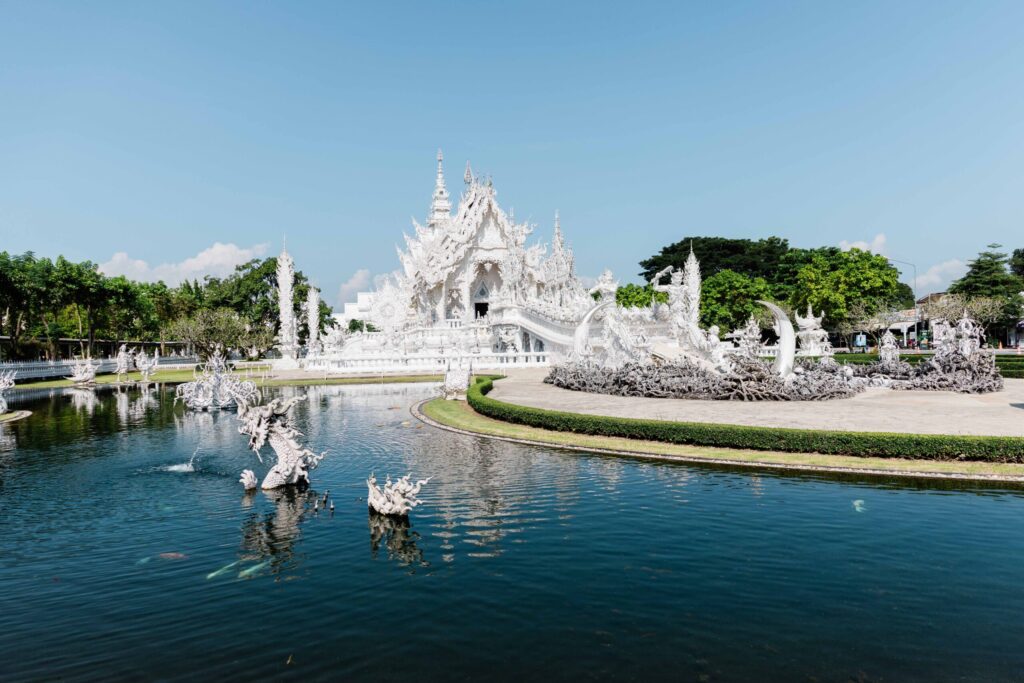
Chiang Rai Itinerary: How We Spent 1.5 Days + All the Things to Do